
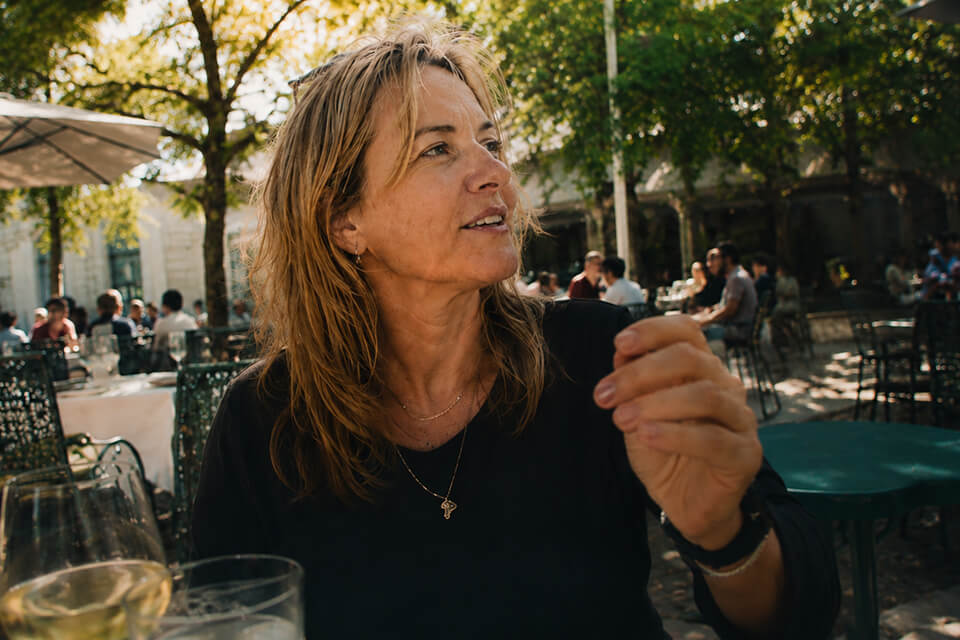


Summary
Margaret sold her property, prepared financially for the move, and applied for a Spanish Non-Lucrative Visa (NLV) — a residence permit for those planning to live in Spain without working.
The case seemed straightforward at first. However, after submission, the immigration authorities requested documents that simply did not exist in her area. With her home already sold and relocation plans underway, the delay quickly became stressful.
Here is how we answered the additional document request and supported Margaret while she waited for the consulate’s decision.
Background
Margaret decided to move to Spain in search of a slower, more comfortable lifestyle after many years of work. Originally from Guernsey, she had spent her career there before beginning plans for her long-awaited move to sunny Spain.
To support her application, she planned to rely on funds received from the sale of her property. As part of the application, we helped prepare documents showing where the funds came from, as proving financial means and their source is an important part of the Non-Lucrative Visa process.
Financial requirements
The Spain Non-Lucrative Visa requires £24,500 (€28,800) in annual passive income for a single applicant in 2026 — 400% of the IPREM. Each dependant adds 100% of IPREM (€7,200/year ≈ £6,150), so a couple needs around £30,650 (€36,000) and a couple with one child around £36,800 (€43,200).
Our Approach
The application was submitted through BLS London, as applicants from Guernsey fall under this jurisdiction. The initial document package was accepted without issues. However, shortly after submission, the authorities issued an additional request.
They asked for a special form confirming that the applicant was no longer employed. The complication was that Margaret had not worked in mainland Britain — she had worked in Guernsey, where the administrative system differs and such documents are not issued in the same format.
On our recommendation, Margaret contacted the States of Guernsey Revenue Service. They sent us another suitable document: it listed the tax payment dates and the start and end dates of the employment.
“Cases like this show why standard checklists do not always work. The client had compiled a standard package, but the requested documents simply did not exist in her jurisdiction. We had to find equivalent evidence and strengthen the application from several angles,”
— Carina, immigration specialist at Click to Spain.
To strengthen her application, we prepared a notarized statement from Margaret confirming that she would not work in Spain while she held her residence permit.
All additional documents were translated and urgently sent to BLS via express delivery.
The Long Wait for Approval
The document processing took almost three months.
“The wait was difficult because I had already sold my property. It was unclear how long I'd have to rent temporary accommodation in the UK,”
— says Margaret.
While Margaret’s application required additional evidence and months of waiting, not every move follows the same path. Read the story of a British couple who turned their 15-year dream of Torrevieja into reality — with their application approved without a single request for extra documents.
Because Margaret had changed her place of residence, she was also worried about missing the return delivery of her passport.
We followed up with the immigration authorities to ask about the application’s status. We also stayed in close contact with Margaret, explained the additional information request and kept her informed while she waited. Having someone to discuss the uncertainty with mattered when her home was already sold.
We also reassured her while waiting for the passport return — courier services usually send a text message notification, which helped reduce some of the stress.
The Result
The application was submitted in early December. After responding to the additional request and providing supplementary evidence, Margaret received approval in early March. Her Spanish Non-Lucrative Visa was granted successfully.
We also helped her find a new place to live in Alicante.
Today, she is continuing her move to Spain and settling into life in the Alicante area — the lifestyle change she had planned from the start.
Margaret’s case shows the value of explaining a document gap clearly and presenting evidence from the relevant local authority. The consulate assessed that evidence and approved her application; the result depended on the circumstances of her file.
Every visa application has its own challenges. Explore other stories, or Book a Free Consultation to discuss the evidence your case may need.
Frequently asked questions
Can I apply for a Spanish Non-Lucrative Visa after selling my property?
Yes. In many cases, funds received from a property sale can be used to meet the financial requirements for a Spanish Non-Lucrative Visa. However, it is important to properly document the origin of the funds and provide supporting evidence.
Do I need to keep my home until my Spanish visa is approved?
Not necessarily. Some applicants sell their property before approval to prepare financially for relocation. However, this can increase stress if processing takes longer than expected, so careful planning is important.
What happens if the consulate requests documents that do not exist in my country?
Explain why the requested document is unavailable in your jurisdiction and identify evidence that addresses the same question. In Margaret’s case, the Guernsey Revenue Service supplied employment and tax records. The consulate decides whether the alternative evidence is sufficient and may ask for more.
How long does a Spanish Non-Lucrative Visa application take?
Processing times vary depending on the consulate and the complexity of the case. In Margaret’s case, the process took almost three months due to an additional document request.
What financial documents are required for a Spanish Non-Lucrative Visa?
Applicants usually need to demonstrate sufficient savings or passive income, along with evidence showing the lawful source of the funds.