
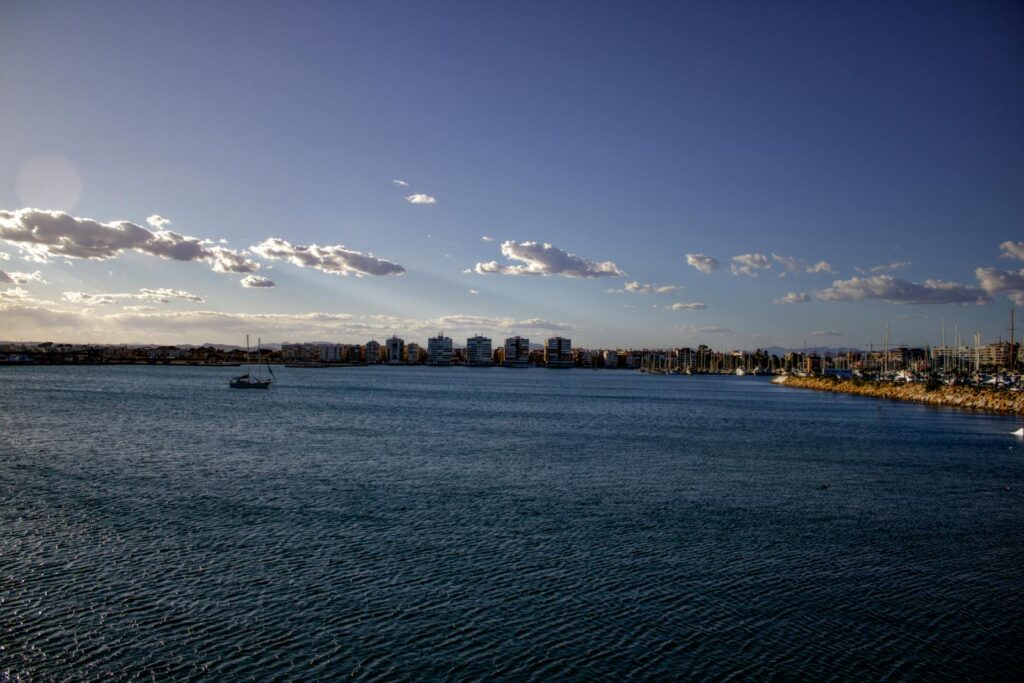


Emily and Jack spent fifteen years dreaming about Torrevieja before they actually moved there. The dream started over cortados in Lloret de Mar in 2008. The application — for a Spanish Non-Lucrative Visa — started in 2024, when they finally felt ready to leave Dover behind. This is what their case looked like from our side of the desk.
The clients
Emily and Jack are a married British couple, both in their early sixties, retiring after long careers running a family business in Kent. They already owned a house in Torrevieja — bought during one of many holidays — and had been spending six to eight weeks a year there since 2018. By 2024 the family business was in capable hands, the children had moved out, and the couple wanted to make Spain their primary home rather than a holiday flat.
The Non-Lucrative Visa (Visado de Residencia No Lucrativa) was the obvious route: it suits applicants who can demonstrate stable, passive income and who do not intend to work in Spain. Emily and Jack fit that brief — but proving it took some structuring.
The challenge: proving you have actually retired
The NLV requires the applicant to show passive income, not earned income. That sounds simple, but it is the most common reason consular caseworkers ask for clarifications or refuse cases outright.
For Emily and Jack, the friction was straightforward but unavoidable: until the moment of application, they were both still legally active in their UK company. Emily was the registered director; Jack drew profit shares. To meet the consulate’s interpretation of “non-lucrative”, they needed to formalise the handover — Emily resigning her directorship and Jack converting his stake to a passive shareholding — before we filed.
What counts as passive income for the Spanish NLV. Pension payments, dividends from a company you do not actively manage, rental income from properties, interest from savings or investments, royalties. Salary, self-employment earnings, and director’s fees from an active role do not count. See our Non-Lucrative Visa page for the current income threshold (set as a multiple of IPREM and reviewed each year).
How we structured the application
Once Emily and Jack confirmed they were ready to step back from the business, we worked back from the Spanish Consulate appointment date and built the file in three streams in parallel:
- Income evidence. Twelve months of UK rental statements from two properties, two years of dividend vouchers from their Ltd company, and bank statements showing consistent receipt of both. We added a covering letter from the company’s accountant confirming Emily’s resignation and Jack’s transition to a non-managing shareholder.
- Compliance documents. Apostilled DBS criminal record certificates for both applicants (under six months old at submission), sworn translations into Spanish, private medical insurance with no co-payments and full Spain coverage, and proof of accommodation — the title deed for the Torrevieja property.
- Forms and fees. Two completed Modelo EX-01 application forms, two passport photos each, the Tasa 038 fee paid via Modelo 790 at a Spanish bank, and the consulate’s own service fee.
Documents submitted at the consulate
| Document | Source | Notes |
|---|---|---|
| EX-01 application form (×2) | Spanish government | Completed and signed in person |
| Tasa 038 receipt | Modelo 790, paid at a Spanish bank | One per applicant |
| Valid passports | UK | Minimum 12 months validity at submission |
| DBS basic disclosure (×2) | UK ACRO | Apostilled by FCDO + sworn translation |
| Private medical insurance certificate | Spain-authorised insurer | No co-payment, no waiting period, repatriation cover |
| Income evidence pack | Accountant + bank statements | 12 months minimum, paginated and indexed |
| Title deed (Escritura) for Torrevieja property | Spanish notary | Original + simple copy |
| Marriage certificate | UK GRO | Apostilled + sworn translation |
| Medical certificate | UK GP | Standard wording confirming no notifiable diseases |
Outcome
The file was lodged at the Spanish Consulate in London in spring 2024. The consular decision arrived within ten weeks — at the upper end of the typical NLV processing window for that consulate, but with no requests for additional documents (a requerimiento would have added weeks). Visa stickers were issued on collection, and Emily and Jack flew into Alicante a fortnight later.
2025–2026 caveat. Consular scrutiny on Non-Lucrative cases has tightened across most UK consulates. The most common reason for refusal or supplementary requests is unclear separation between active and passive income — applicants who continue to draw a salary, hold an active directorship, or invoice clients are routinely asked to clarify or are refused. If you are still working in any capacity, plan the handover before you file, not after.
After arrival in Torrevieja
The visa is only the entry permit. The residence permit itself — the TIE card — is issued in Spain after a separate appointment. For Emily and Jack, the post-arrival sequence ran as follows:
- Empadronamiento at the Torrevieja Town Hall (a prerequisite for the TIE appointment).
- TIE biometrics appointment at the Comisaría de Policía in Torrevieja — booked online through the Sede Electrónica.
- NIE assigned automatically as part of the TIE process (no separate application, contrary to what some forums suggest).
- Resident bank account conversion from their existing non-resident account at a Spanish bank.
- S1 form registration with the Spanish health system (Emily and Jack were both UK state pensioners with S1 entitlement, which avoided needing the private insurance after the first year).
What this case shows
NLV is a workable route for British retirees who already have passive income — but the consulate’s bar on “non-lucrative” is higher than most applicants assume. The structuring of company roles, the categorisation of bank receipts, and the order in which documents are dated all matter. Emily and Jack’s case ran cleanly because we sequenced the handover before the application; cases that are filed first and “fixed” later tend to come back as requerimientos or refusals.
Last updated: 1 May 2026. Legal basis (current): Real Decreto 1155/2024, Title IV, Chapter I, articles 61–64 (in force since 20 May 2025; replaced Real Decreto 557/2011, which governed when this case was filed). Practice update: Spanish consulates have tightened scrutiny of NLV cases since 2024 — particularly around the separation of active vs passive income and the proof of stable savings. The file we would build today is heavier than the one described above.